In Odesa, there are 33 communal healthcare institutions providing urgent, planned, rehabilitation, and palliative care to the city's population, soldiers, and internally displaced citizens.
Due to the challenges of the ongoing war, a key objective is to achieve autonomy and energy independence for these healthcare facilities.
All medical institutions are equipped with diesel and gasoline generators of varying capacities in case of power outages. Currently, there are 152 generators in the medical facilities, with 63 being high-capacity units. In the event of a centralized power failure, the large generators in the city’s cluster hospitals, which provide medical assistance around the clock, automatically activate to ensure the operation of medical equipment.
Seven healthcare institutions are equipped with solar power stations and energy storage devices.
The medical facilities and their structural divisions have 14 boiler houses powered by gas, diesel, and solid fuel, enabling autonomous heating. Additionally, some hospitals are conducting preparatory work for the installation of modular boilers using alternative fuels under a memorandum with the World Health Organization Bureau in Ukraine, and work is ongoing to commission a modular gas boiler.
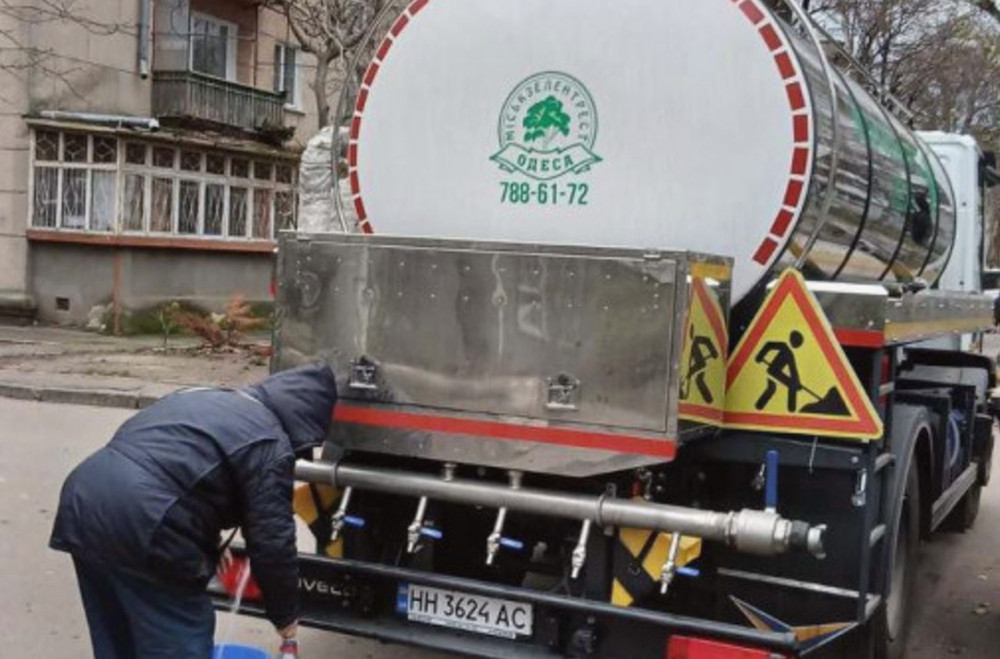
With financial support from UNICEF, four city hospitals have been equipped with artesian wells and water dispensers, ensuring autonomous water supply. Medical facilities are also stocked with technical and drinking water.