Russia significantly complicates the identification of deceased bodies, returning them in horrific condition, and during recent repatriations also sent back the bodies of its soldiers mixed with Ukrainians.
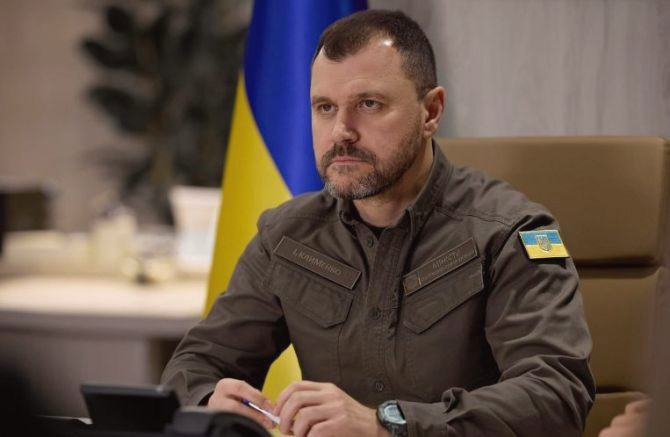
"During the latest repatriations, we also received the bodies of Russian soldiers mixed with Ukrainian ones. Unfortunately, this is a fact. It could have been done intentionally to increase the number of bodies transferred and burden our experts, accompanied by cynical information pressure. Or it may simply reflect their habitual negligence towards their own people. In any case, we also identify these bodies," noted Interior Minister Igor Klymenko.
Klymenko emphasized that after each repatriation, meticulous work begins: autopsy, thorough investigation by forensic experts, conducting DNA tests, and checking every detail.
This process is already complex and lengthy, and Russia deliberately complicates the identification. Bodies return to Ukraine in extremely mutilated conditions, body parts in different bags. There are cases where remains of one person are returned even at different stages of repatriation.
The minister stressed that experts work at the limits of possibility. Each examination is conducted carefully and multiple times. Specialists are well-prepared, laboratories are equipped, and processes are established. The biggest challenge is time.
"We understand the pain and expectations of the families. We are doing everything possible to expedite the identification process. However, with each major repatriation, it becomes increasingly difficult, and perhaps this is Russia's goal."
"We cannot afford mistakes. This is not just statistics for us. These are people, and each of them deserves to be treated with dignity," added the head of the Ministry of Internal Affairs.
What preceded this: On June 16, Ukraine received another 1245 bodies of the deceased. Defense Minister Rustem Umerov announced the completion of the repatriation of bodies in line with the Istanbul agreements, returning over 6000 deceased bodies.