The dead-end street Levanevskogo in the Primorsky district of Odessa has been renamed to Tolvinsky Lane.
Key details:
- Levanevskogo dead-end has been transformed into Tolvinsky Lane.
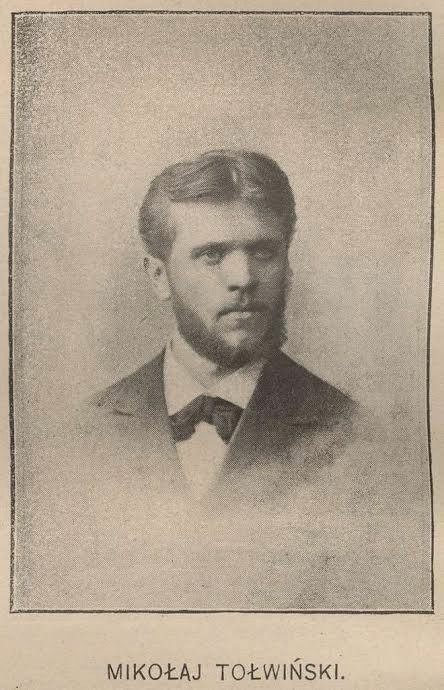
- Mykola Tolvinsky was a prominent architect active in Odessa since 1887.
- Notable projects include the sanatorium 'Kuyalnik', university buildings, and structures at the Railway Square.
- He designed the university's observatory and library.
- After his time in Odessa, he worked in Warsaw; his son became a founder of Polish urban planning.
Mykola Kostiantynovych Tolvinsky (1857 – 1924) was born in Warsaw, yet it was in Odessa where he experienced his creative pinnacle. From 1887 onwards, he worked within the city administration and court chamber, crafting residential complexes and public structures that still adorn the city today.
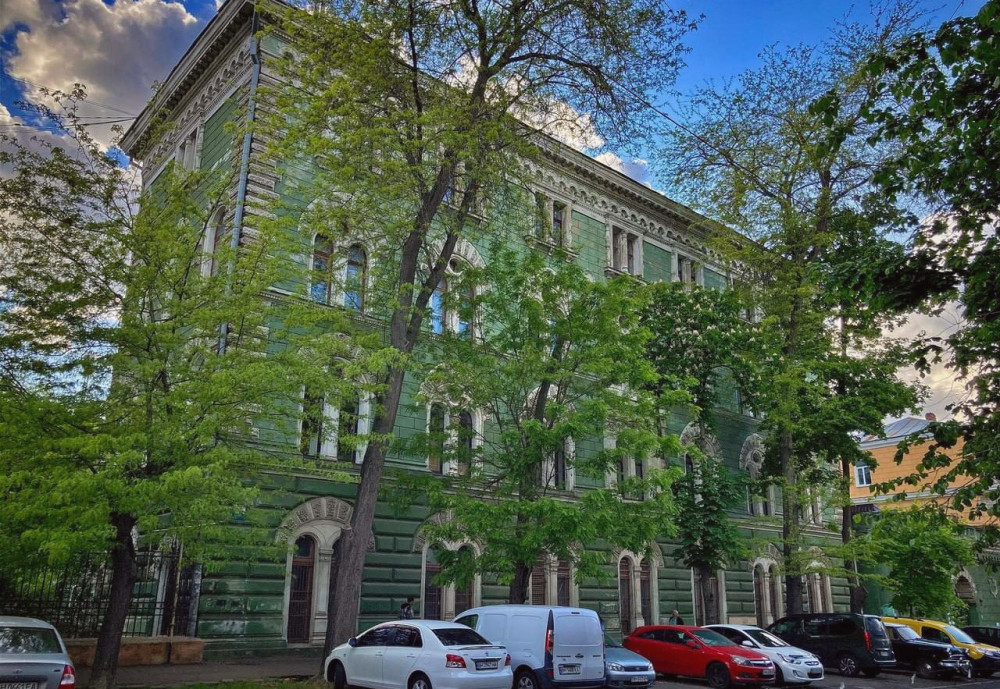
In the heart of the city, at Railway Square, Tolvinsky's designs led to the construction of judicial institutions and the Zemstvo administration building, both reflecting the Renaissance spirit. Today, these buildings host offices of the Odessa railway.
Among his significant projects are the hospital wing of the 'Kuyalnik' sanatorium, the physics and chemistry faculties of Odessa University, as well as the anatomical building of the Medical University, the magnetic-meteorological observatory, and the scientific library of ONU.
In 1900, the architect returned to Warsaw, where he continued his work at the polytechnic institute. His son Tadeusz Tolvinsky, who was born in Odessa, became a pioneer of modern urban planning science in Poland.