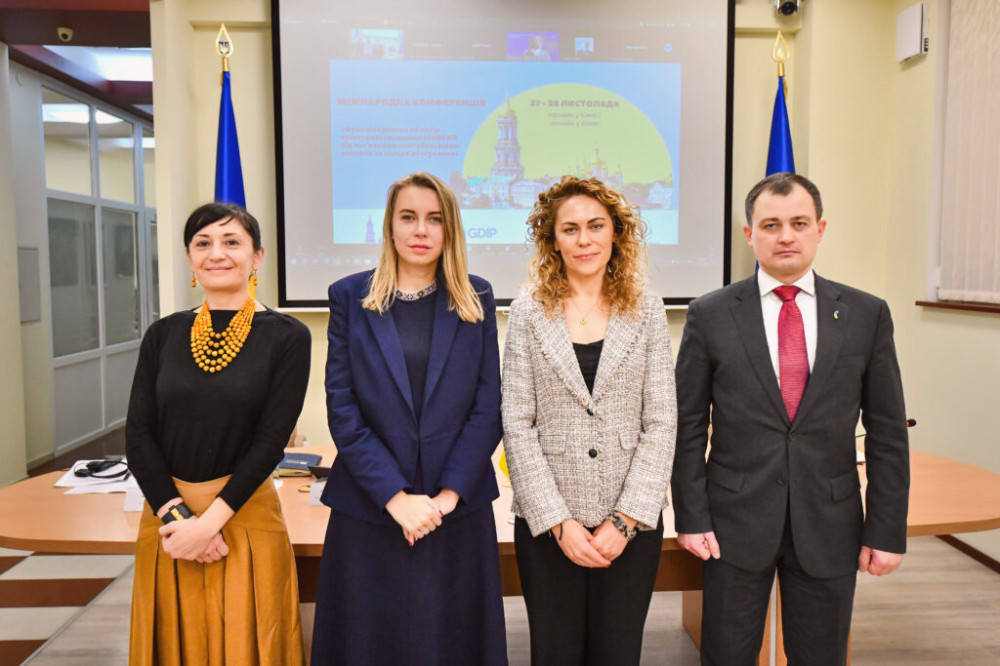
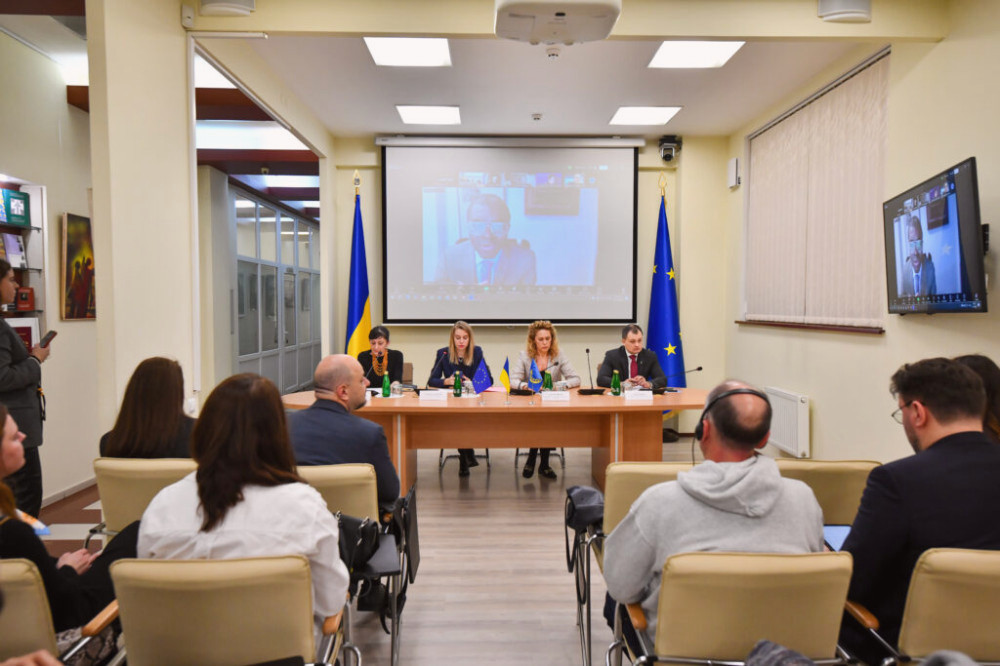
On November 27-28, an international conference took place in Kyiv titled «Protecting Cultural Heritage During War: New Challenges and Solutions».
During the opening remarks, Anastasia Bondar, Deputy Minister of Culture, emphasized the urgent need to enhance international legal frameworks to effectively safeguard cultural heritage in conflict zones. She noted that Ukrainian experts face new threats, including unseen damages and distortions that can develop over time.
«Today, Ukraine is undergoing a unique war that reveals flaws in existing cultural heritage protection systems, questioning their adequacy in contemporary conditions,» she stated.
Bondar encouraged the international community to engage in discussions about updating heritage protection mechanisms:
«Is it not time to consider the creation of a Third Protocol to the Hague Convention based on Ukraine's experiences? Is there global awareness of the changes in warfare, and how can we use our knowledge to strengthen international heritage protection mechanisms in the 21st century? I hope that events like today's conference will mark the beginning of this process, and Ukraine will leave its mark on the evolution of international heritage preservation standards.»
One of the key discussions centered around the Kyiv-Pechersk Lavra, a unique complex that serves as a monastery, museum, and architectural ensemble in the heart of the capital.
Svetlana Kotliarevskaya, the acting director of the National Reserve «Kyiv-Pechersk Lavra», highlighted Ukraine's potential to not only protect its heritage but also to shape new international standards for its preservation.
«Our vision encompasses creating a new international model for heritage protection, implementing long-term revitalization programs for Ukrainian monuments, fostering a sustainable post-war cultural and tourism environment, enhancing the institutional capacity of museums and reserves, and fully integrating Ukraine into the international cultural framework,» she said.
Participants also presented unique challenges faced by other UNESCO World Heritage sites, including:
- Saint Sophia Cathedral and its adjoining monastic buildings;
- Lviv – historic city center;
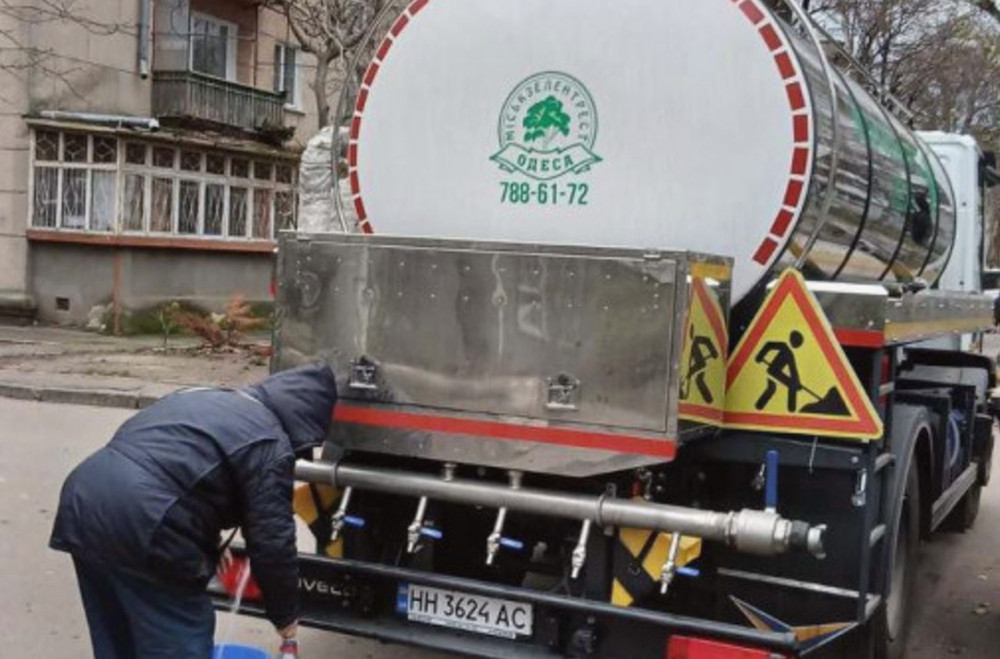
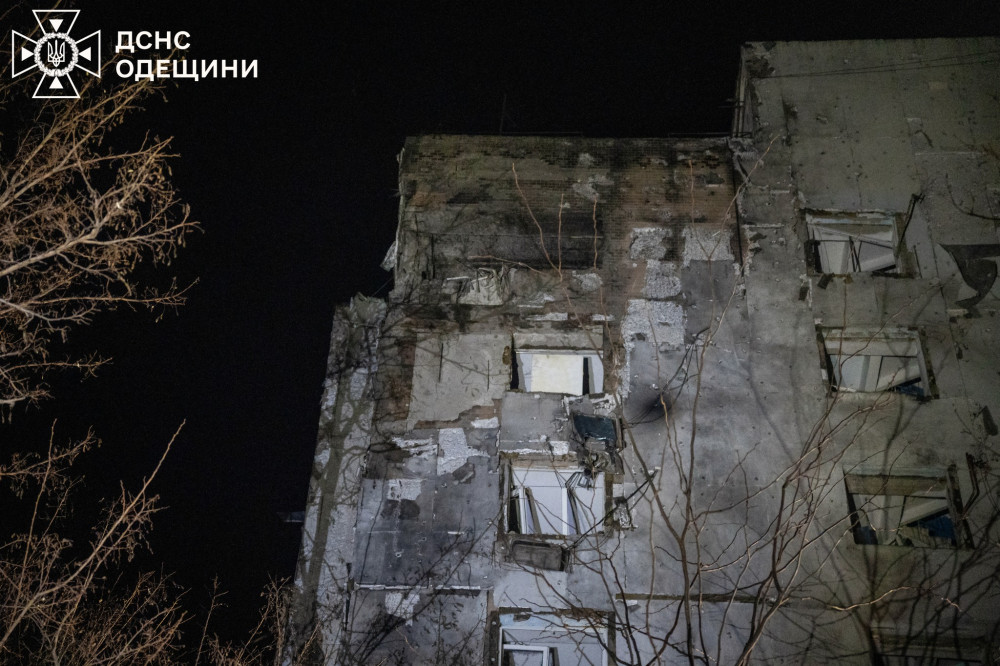
- Odessa – historic center (added in 2023 as a site under threat);
- Chernivtsi – the residence of the Metropolitan of Bukovina.
At the conference, experts discussed the current status of these sites, the extent of damage, access restrictions, risks for staff, and preservation issues for collections that cannot be evacuated.
Specific discussions focused on documenting destruction, digitally archiving the state of monuments, updating management approaches amid ongoing threats, and community engagement in crisis situations. Participants also explored opportunities for international support that Ukraine is receiving alongside UNESCO, ICCROM, and other partners.
Following the event, organizers will compile professional recommendations for Ukrainian institutions, international organizations, and professional communities. This document will serve as a foundation for future support programs, research initiatives, post-war recovery projects, and continued advocacy for Ukrainian heritage on a global stage.